
Finding Rhythm in the Ebb and Flow
WHEAT Institute | February 23, 2023
Bonface Beti, Expressive Arts for Social Change and Peacebuilding Director
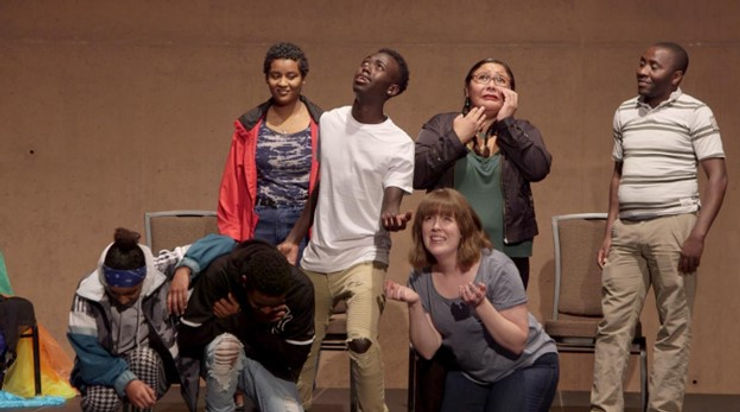
As Director of Expressive Arts for Social Change and Peacebuilding at WHEAT, I bring a specialization in Conflict Transformation and Peacebuilding through the arts. As an emergent field, The Expressive Arts in Conflict Transformation and Peacebuilding (EXA-CT) field uses creative methods through the Arts to address conflicts within teams, communities and across cultures. According to Literacy, the founder of conflict transformation approach, the essence of peacebuilding is found in four disciplines, each of which requires imagination. These disciplines are relationships, paradoxical curiosity, creativity, and risk. The quality of providing for and expecting the unexpected is well-known in the world of artists and needs to be cultivated in the world of peacebuilders. Creativity opens us to avenues of inquiry and provides us with new ways to think about social change. Dr Lisa Herman, defines EXA as a form of therapy that incorporates multiple arts modalities, such as poetry, movement, painting, collage, music, and storytelling.
Process is valued on par with product, and creativity is seen as an innately healing force that belongs to all of us — whether we see ourselves as “artists” or not. The EXA-CT lens however provides students with frameworks for merging the Arts with conflict analysis interventions, trauma awareness and healing, humanitarian responses, and research. In short, EXA-CT students learn ways to use the Arts for peace and co-existence.
At WHEAT Institute, our distinguished faculty in the fields of the Expressive Arts and Social Justice provide instruction through our Rivers of Solidarity Expressive Arts Certificate, which prepares students to integrate the work into their existing personal and professional settings. There is no formal practicum. The program is impactful and inspirational for professional artists, peace-workers, art therapists, community workers, teachers, mediators, educators, clergy and coaches.
Rivers of Solidarity Art Therapy, Expressive Arts Therapy, and Dual Diploma programs provide ongoing academic engagement through relevant, applied course work, a supervised practicum experience, and supported thesis/final project development, to allow students to make a mark on the world of expressive arts based on their career interests and background. Through expressive arts skill- development and the application of anti-oppressive, anti-racist expressive arts practices, Rivers of Solidarity faculty create safe space for BIPOC individuals and allies to explore and address contemporary social justice concerns impacting our local and global communities.
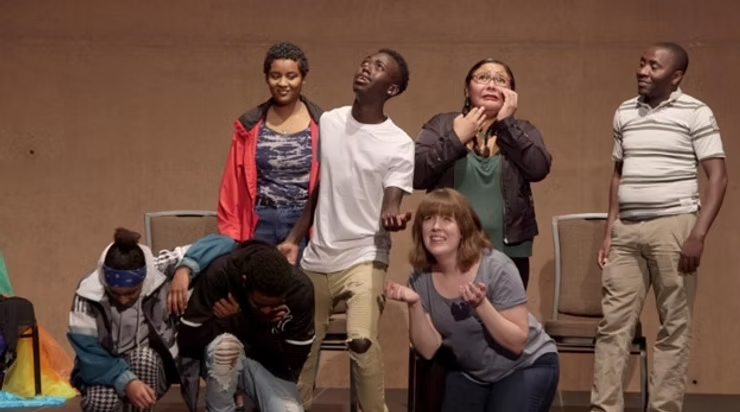
Photo used with permission, Bonface Beti